
Crypto Currencies
Crypto Exchanges Without KYC: Operating Models and Structural Trade-Offs
Exchanges that skip Know Your Customer verification let users trade without submitting government ID, biometrics, or proof of…
Exchanges that skip Know Your Customer verification let users trade without submitting government ID, biometrics, or proof of…
Staying current in crypto markets requires a structured approach to sourcing, filtering, and verifying news before you trade…

No deposit bonuses on crypto exchanges grant users trading capital or credits without requiring an initial deposit. These…

Choosing a crypto trading platform means evaluating exchange infrastructure, custody models, liquidity routing, and regulatory posture. Unlike legacy…
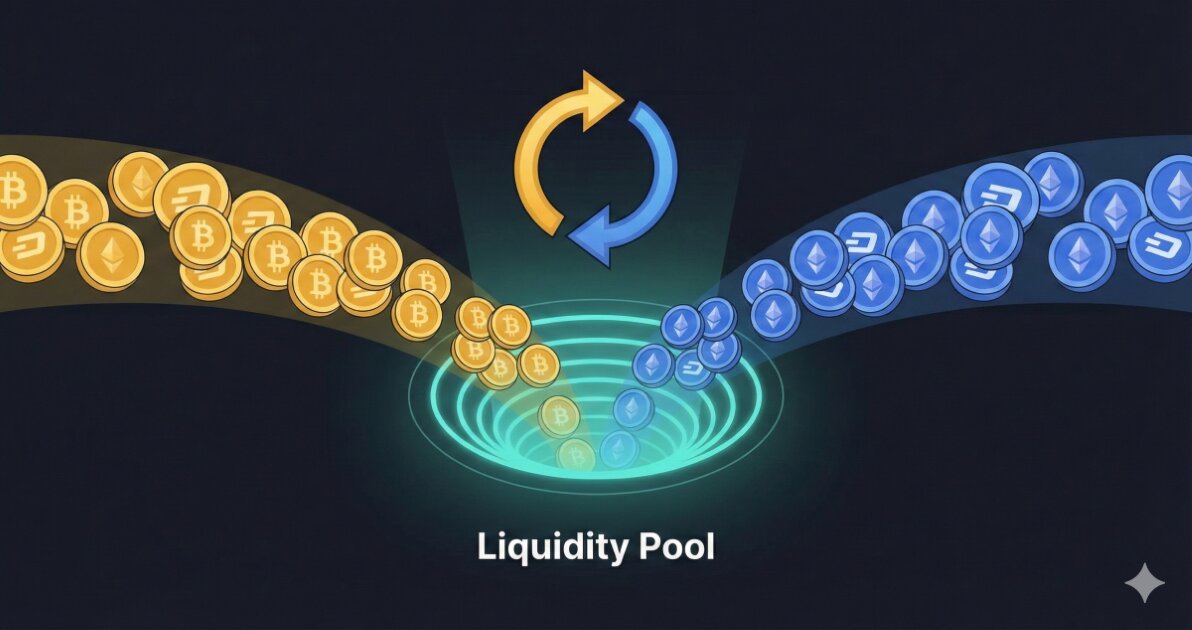
Determining the “biggest” crypto exchange requires parsing multiple dimensions: reported spot volume, derivatives open interest, user count, asset…

Crypto news moves faster than most practitioners can verify. A protocol exploit tweet, a regulatory filing leak, or…

US crypto exchanges operate within a fragmented regulatory perimeter defined by money transmission requirements, securities law carve-outs, and…

Crypto markets move on information asymmetry. Protocol exploits, regulatory actions, exchange liquidity events, and protocol governance decisions propagate…

Over-the-counter (OTC) crypto exchanges facilitate large block trades outside public order books, matching buyers and sellers through bilateral…

Choosing a wallet architecture determines who controls your private keys, which execution environments you trust, and where your…