
Crypto Currencies
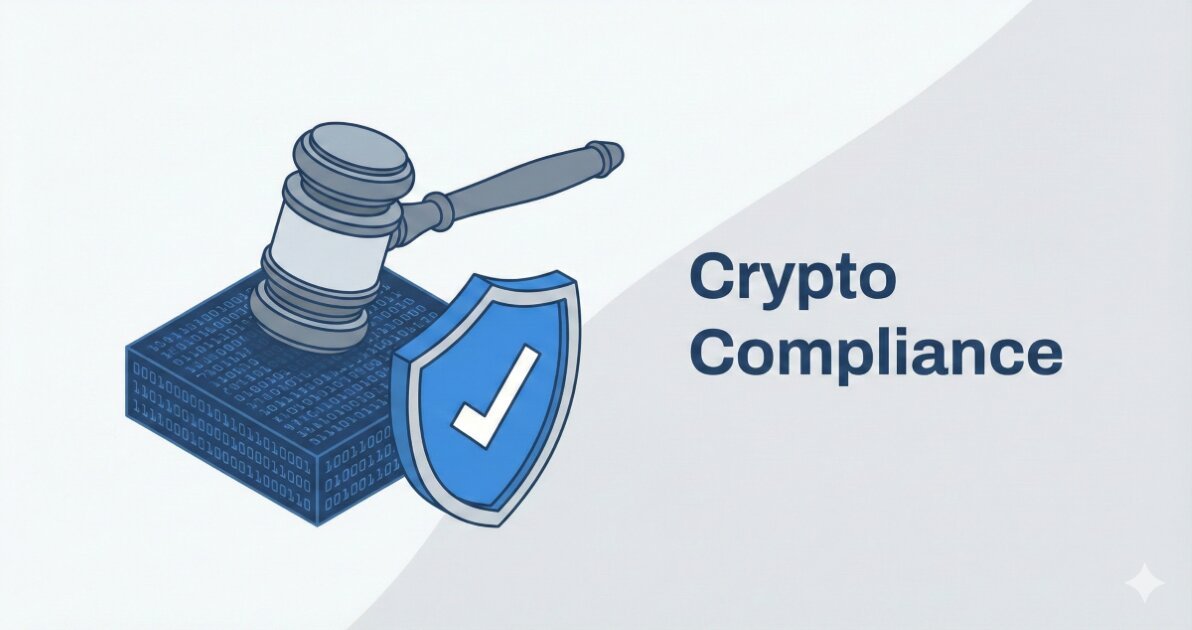
US crypto exchanges operate within a fragmented regulatory perimeter defined by money transmission requirements, securities law carve-outs, and…

Crypto Currencies
Crypto markets move on information asymmetry. Protocol exploits, regulatory actions, exchange liquidity events, and protocol governance decisions propagate…

Crypto Currencies
Over-the-counter (OTC) crypto exchanges facilitate large block trades outside public order books, matching buyers and sellers through bilateral…
Crypto Currencies
Most published exchange reviews optimize for affiliate commissions rather than operational reality. This article outlines a structural approach…

Crypto Currencies
Crypto.com operates two distinct trading platforms under the same brand: the Crypto.com App (mobile and web) and the…

Crypto Currencies
Crypto news moves faster than most practitioners can verify. A protocol exploit tweet, a regulatory filing leak, or…

Crypto Currencies
No-KYC exchanges let you trade crypto without identity verification, prioritizing privacy and accessibility over regulatory compliance. This article…
Crypto Currencies
Reading crypto news effectively means extracting actionable signals from announcements, protocol upgrades, regulatory filings, and market structure changes.…

Crypto Currencies
Peer to peer (P2P) crypto exchanges connect buyers and sellers directly, removing the exchange as principal in each…

Crypto Currencies
Choosing a crypto trading platform means evaluating exchange infrastructure, custody models, liquidity routing, and regulatory posture. Unlike legacy…