A secure crypto wallet is not a single product decision but a stack of cryptographic, operational, and recovery choices that determine who can sign transactions and under what conditions funds remain accessible. The difference between resilience and loss often lies in implementation details: how private keys are generated, how signing occurs, and how backups interact with hardware failure modes. This guide examines the mechanical layers of wallet security and the tradeoffs practitioners face when designing custody for themselves or clients.
Key Material Generation and Isolation
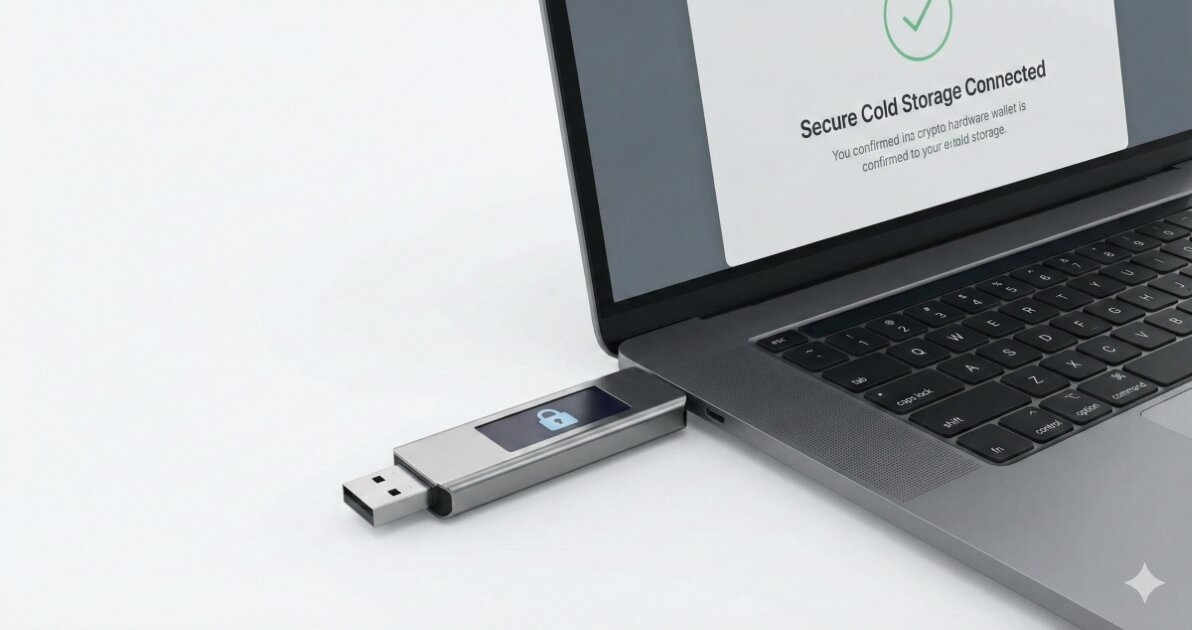
Security starts at key creation. Hardware wallets use dedicated secure elements or general purpose microcontrollers to generate private keys within the device. Secure elements (Common Criteria EAL5+ or EAL6+ certified chips used in devices like Ledger Nano models) provide isolated key storage and signing: the private key never exists in cleartext outside the chip, even during transaction signing. The host computer receives only signatures, not key material.
Software wallets generate keys in the execution environment where they run. Desktop wallets may use operating system entropy sources combined with user input timing. Mobile wallets often rely on hardware backed keystores (iOS Secure Enclave, Android Keystore) that restrict key access to the app and may bind keys to biometric authentication. The critical distinction: software wallets store keys in memory during signing, making them vulnerable to memory scraping malware.
Air gapped devices (smartphones or single board computers with networking permanently disabled) occupy a middle ground. They generate keys in software but eliminate network attack surfaces. Transaction signing happens offline and completed transactions transfer to networked devices via QR codes or removable media.
The entropy source matters. Hardware wallets combine onboard random number generators with optional user provided entropy. Poor entropy can result in predictable keys, as seen when wallet implementations relied solely on weak pseudorandom functions or failed to properly seed random number generation during manufacturing.
Seed Phrase Backup Architecture
BIP39 seed phrases encode entropy as 12 or 24 dictionary words. The wallet derives all private keys deterministically from this seed using BIP32 hierarchical derivation paths. Backing up the seed phrase recreates the entire key tree.
The backup becomes the primary attack surface. Paper backups are vulnerable to physical theft, fire, and water damage. Metal backups (stamped, engraved, or tile based systems) resist environmental damage but remain readable if discovered. Splitting seed phrases across locations reduces single point theft risk but introduces coordination failure: if one fragment is lost, funds become inaccessible.
Shamir Secret Sharing (supported by Trezor Model T and some software wallets) splits the seed into N shares where any M shares can reconstruct it (for example, 3 of 5). This eliminates single point compromise without the fragility of simple phrase splitting. The tradeoff: increased complexity in recovery procedures and the need to securely generate and distribute shares.
Passphrase based encryption (BIP39 extension) adds a 25th word that never gets written down. The same seed phrase produces entirely different wallets depending on the passphrase. This enables plausible deniability (one passphrase unlocks a decoy wallet with small funds) and protects against physical seed phrase compromise. The cost: passphrase loss means permanent fund loss, and no checksum validates correctness until you access the blockchain.
Transaction Authorization Pathways
Single signature wallets require one private key to authorize spending. The device displays transaction details (recipient address, amount, fee) on its screen for user verification before signing. Display trust is critical: malware can modify transaction details on the host computer, so the hardware screen must be the authoritative source. Some wallets show only truncated addresses, allowing homoglyph or prefix collision attacks where users fail to notice substituted recipient addresses.
Multisignature wallets require M of N keys to sign. A 2 of 3 configuration might distribute keys across a hardware wallet, a mobile device, and a third party service. This protects against single device compromise or loss but requires coordinating signatures. Native multisig uses blockchain level script (Bitcoin P2SH or P2WSH, Ethereum smart contracts) versus wallet level coordination where one service collects signatures before broadcast.
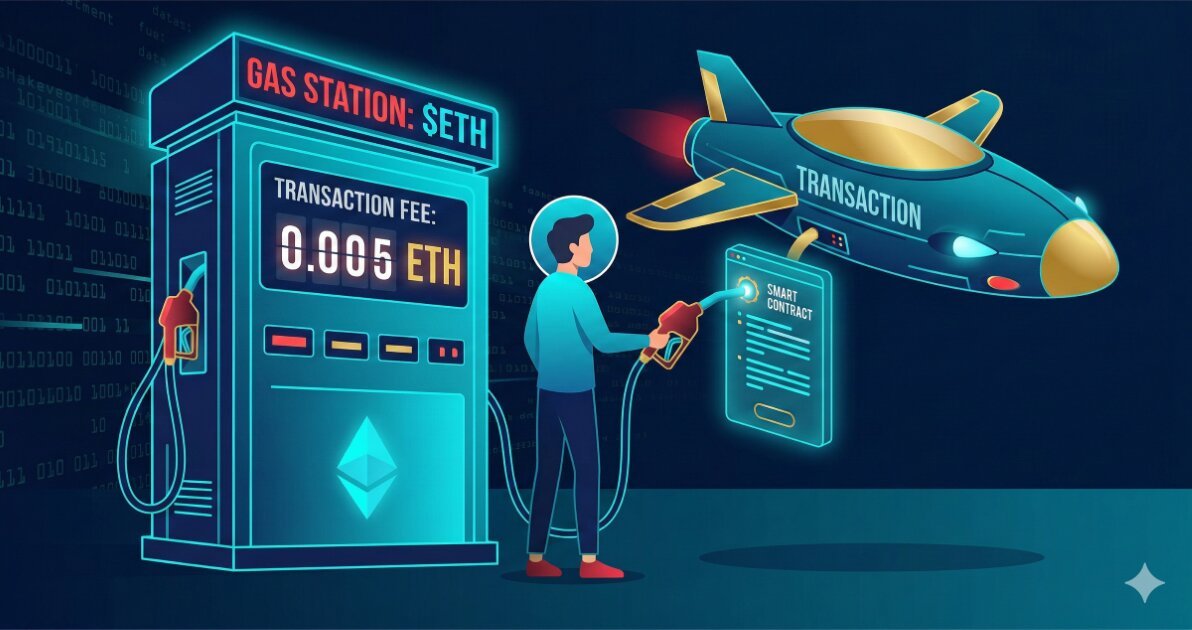
Smart contract wallets on EVM chains (Gnosis Safe being the most deployed) enable multisig, spending limits, time delays, and recovery mechanisms through onchain logic. The wallet address is a contract, not a keypair. Social recovery allows designated guardians to change signing keys if the owner loses access. The cost: every transaction pays contract execution gas beyond base transfer fees, and contract bugs become permanent vulnerabilities.
Firmware and Supply Chain Attack Surfaces
Hardware wallet firmware sits between the secure element and USB interface. Compromised firmware can exfiltrate keys or sign unauthorized transactions despite screen verification. Legitimate manufacturers sign firmware updates with private keys, and devices verify signatures before installation. Users should verify firmware hashes against manufacturer published values before updating.
Supply chain interdiction remains difficult to prevent entirely. Tamper evident packaging, purchasing directly from manufacturers, and verifying that devices arrive uninitialized help but do not eliminate risk. Initializing a device with a manufacturer provided seed phrase would compromise security immediately.
Open source firmware (Trezor publishes full source, Ledger publishes application code but not secure element firmware) enables independent verification. However, reproducing a binary bit for bit from source requires matching the exact build environment, which few users actually perform.
Worked Example: Multisig Treasury Setup
A DeFi protocol treasury holds 5,000 ETH and requires 3 of 5 signatures. Five principals each receive a hardware wallet (Ledger or Trezor). The team deploys a Gnosis Safe smart contract at deployment address 0xAbC… with the five wallet addresses as owners and a threshold of 3.
To withdraw 100 ETH to a grant recipient, one principal initiates the transaction through the Safe interface, specifying recipient 0x123… and amount. The interface generates transaction data and displays a message to sign. The principal connects their hardware wallet, verifies details on the device screen, and signs. The signature is uploaded to the Safe backend.
Two more principals repeat this process. After the third signature, anyone can submit the transaction onchain. The Safe contract verifies all three signatures match registered owners, confirms the threshold is met, and executes the transfer.
If one principal loses their device, the treasury remains accessible. If two devices are lost, the team can use the remaining three to execute a transaction that removes the lost keys and adds new ones (a reconfiguration transaction also requiring 3 signatures).
Common Misconfigurations and Failure Modes
-
Backup verification neglect: Never testing seed phrase recovery until funds are inaccessible. Recovery should be tested with small amounts on the actual hardware before committing large value.
-
Mixed derivation paths: Using incompatible derivation paths across wallets. A seed phrase from one wallet may not automatically recreate addresses in another if paths differ (BIP44 vs. BIP84 for Bitcoin, or custom Ethereum paths).
-
Blind signing: Approving smart contract interactions without understanding the contract function being called. Hardware wallets display raw data for many contract calls, which users approve without recognizing token approvals or proxy delegations.
-
Unencrypted cloud backups: Storing seed phrases in cloud note apps, email, or photo libraries. These sync across devices and cloud servers, creating multiple compromise points.
-
Single geographically colocated backup: Keeping device and backup in the same building. Fire or flooding can destroy both simultaneously.
-
Neglecting firmware updates: Ignoring security patches. Known vulnerabilities remain exploitable until firmware updates, but updates themselves require verifying authenticity.
Verification Checklist
Before relying on a wallet configuration, confirm:
- Manufacturer firmware signature verification process and whether your device enforces it
- Current known vulnerabilities for your specific hardware model and firmware version
- Whether your backup medium survives your local environmental risks (humidity, temperature extremes)
- That your seed phrase actually restores the expected addresses using a secondary wallet implementation
- Transaction display capabilities (full address display, UTF-8 support, contract interaction parsing) for your device
- Gas price or fee setting mechanisms and whether they allow fee manipulation attacks
- Multisig coordinator service uptime requirements and whether you can broadcast transactions independently
- Smart contract wallet upgradeability and who controls admin keys if applicable
- Whether your wallet supports the token standards you hold (ERC20, ERC721, SPL tokens) and displays them correctly
- Passphrase handling: where it is entered, whether it is ever stored, and lockout behavior on failed attempts
Next Steps
-
Document your complete wallet architecture including derivation paths, passphrase policy, backup locations, and recovery procedures. Test the documentation by having someone else attempt recovery in a sandbox environment.
-
Implement a graduated security model: small operational amounts in hot wallets, medium value in single hardware wallets, large holdings in multisig or time delayed smart contract wallets.
-
Schedule quarterly verification procedures: physically inspect backup integrity, test signing with each multisig device, verify firmware versions, and review transaction authorization policies.
Category: Crypto Security