The Philippines combines high retail crypto adoption with a relatively structured regulatory perimeter managed by the Bangko Sentral ng Pilipinas (BSP) and the Securities and Exchange Commission (SEC). For traders and institutions operating in the jurisdiction, exchange selection hinges on licensing status, peso onramp mechanics, custody architecture, and tax reporting infrastructure. This article covers the technical decision framework, regulatory touchpoints, and operational configurations specific to Philippine crypto platforms.
Licensing and Regulatory Perimeter
The BSP issues Virtual Asset Service Provider (VASP) licenses under Circular 1108. Licensed entities must maintain minimum capitalization, implement customer due diligence procedures, and submit transaction reports to the Anti-Money Laundering Council (AMLC). The SEC separately regulates securities offerings, which can include certain token sales or staking products marketed as investment contracts.
Check whether an exchange holds a BSP VASP license before depositing fiat. Unlicensed platforms operating in the Philippines expose users to sudden suspension risk and no formal recourse channel. The BSP publishes a registry of licensed VASPs. If an exchange is not listed but accepts peso deposits, you are dealing with either an offshore entity or an unregistered operator.
Foreign exchanges serving Philippine users typically do not hold local licenses. They restrict peso deposit methods and rely on peer to peer markets or third party payment processors. This introduces counterparty risk in the fiat leg and may limit your ability to reverse disputed transactions.
Peso Onramp and Settlement Rails
Licensed Philippine exchanges integrate with local banks via PESONet (batch settlement, same day or next day) and InstaPay (real time gross settlement up to PHP 50,000 per transaction as of recent published limits, though individual banks may impose lower caps). Settlement speed and cost depend on which rail the exchange uses and your bank’s participation in the network.
PESONet transfers clear in batches at scheduled windows throughout the day. Expect deposits to credit within four to eight hours during business days. InstaPay posts within seconds but carries per transaction limits. Some exchanges route large deposits through PESONet and small urgent transfers through InstaPay automatically, while others require you to select the rail at deposit time.
Withdrawal rails mirror the deposit process. Confirm the exchange’s daily withdrawal limit for fiat, which often sits below the per transaction InstaPay cap due to internal risk controls. If you need to move more than PHP 50,000 in a single day, plan for multiple transactions or request a manual review, which can take 24 to 72 hours.
Custody and Key Management Models
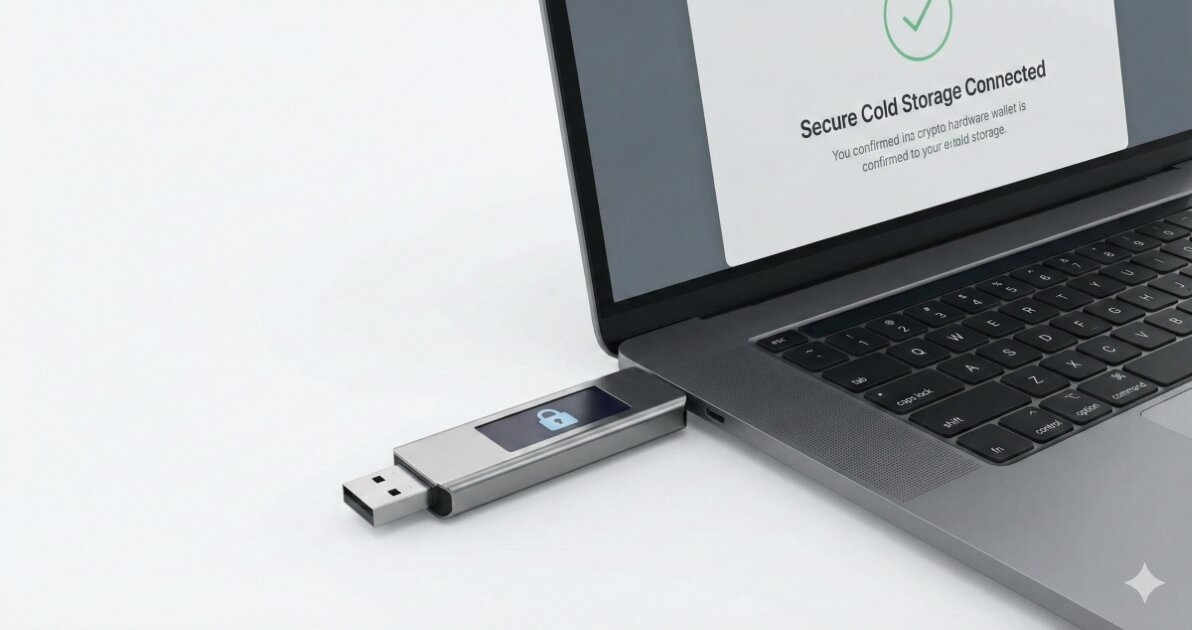
Philippine exchanges deploy three custody patterns: full custodial hot wallets, custodial cold storage with manual sweep thresholds, and hybrid architectures that segregate user balances into omnibus cold wallets with individual claim tracking offchain.
In the full hot wallet model, the exchange controls private keys for all deposited assets and maintains liquidity in networked wallets. This maximizes withdrawal speed but concentrates risk. Ask whether the platform uses multi signature schemes and how many signers are required. Single signature hot wallets are a red flag.
Cold storage models move the majority of assets to offline keys. The exchange sweeps deposits into cold storage when the hot wallet balance exceeds a threshold (commonly 5 to 15 percent of total assets under custody). Withdrawals trigger manual signing events, which can delay processing by several hours. This trade off favors security over speed.
Hybrid architectures maintain a hot wallet float for instant withdrawals and cold storage for bulk holdings, with automated rebalancing scripts that top up the hot wallet when it dips below a floor (e.g., 3 percent of total custody). Verify whether the exchange publishes proof of reserves attestations and whether those attestations cover both hot and cold balances. An attestation that excludes cold storage is incomplete.
Tax Reporting and Withholding Mechanics
The Bureau of Internal Revenue (BIR) treats virtual asset transactions as taxable events. Capital gains from asset sales trigger either a 15 percent final withholding tax (if the exchange withholds) or inclusion in ordinary income (if you self report). Some exchanges withhold automatically on peso withdrawals that result from asset sales; others leave the entire reporting burden on the user.
Request transaction history exports in CSV format with columns for timestamp, asset pair, trade price, fee, and net settlement amount. You need this data to calculate cost basis and realized gains. Exchanges that provide only PDF account statements or incomplete trade logs create compliance friction.
If the exchange withholds tax, it should issue a BIR Form 2307 (Certificate of Creditable Tax Withheld at Source). File this with your annual income tax return to claim the withholding as a credit. Platforms that withhold but do not issue the certificate are noncompliant, and you lose the ability to credit the withheld amount.
Worked Example: InstaPay Deposit and Limit Breach
You maintain accounts at a BSP licensed exchange and a local bank that supports InstaPay. You initiate a PHP 60,000 deposit via InstaPay. The exchange’s payment processor rejects the transaction because it exceeds the PHP 50,000 InstaPay cap. You split the deposit into two transactions: PHP 50,000 via InstaPay and PHP 10,000 via PESONet.
The InstaPay leg credits to your exchange account within two minutes. The PESONet leg enters the next batch window, scheduled three hours later, and credits four hours after submission. You intended to execute a market buy immediately but now hold a partially funded account. The asset price moves 2.3 percent during the wait. This scenario illustrates why understanding settlement rail limits matters for time sensitive trades.
Common Mistakes and Misconfigurations
- Using an unlicensed exchange for peso transactions and assuming deposit insurance or government recourse applies. BSP deposit insurance covers bank accounts, not exchange balances.
- Relying on an exchange’s displayed “instant” withdrawal label without confirming whether the platform uses hot wallet liquidity or triggers a manual cold storage signing event. Instant can mean 30 seconds or six hours depending on architecture.
- Failing to reconcile trade history before year end. Exchanges occasionally experience database migrations or system upgrades that corrupt historical records. Export and archive your data monthly.
- Assuming all staking or yield products offered by a Philippine exchange fall outside securities regulation. The SEC evaluates each product individually using the Howey test. If the product is later classified as a security, the platform may be forced to delist it, and your position could be frozen during unwinding.
- Ignoring the difference between maker and taker fees when comparing exchanges. Published fee schedules often highlight maker rates, which require limit orders. Market orders incur taker fees that can be 50 to 100 percent higher.
- Depositing USDT on the wrong network. Some Philippine exchanges accept USDT only on Ethereum; others support Tron or Polygon. Sending to an unsupported network results in permanent loss unless the exchange manually recovers the funds, which is not guaranteed.
What to Verify Before Relying on This
- Current BSP VASP license status via the official registry, not the exchange’s website.
- Specific InstaPay and PESONet transaction limits imposed by your bank, which may differ from network maximums.
- Whether the exchange publishes third party proof of reserves and the recency of the last attestation.
- Tax withholding policy: confirm whether the exchange withholds on your transaction type and whether it issues BIR Form 2307.
- Supported deposit and withdrawal networks for each stablecoin or token you plan to trade.
- Daily and monthly fiat withdrawal limits, which can change with account verification tier.
- Whether the exchange operates an omnibus bank account or individual segregated accounts for fiat custody. Omnibus accounts pool user funds, increasing exposure to bank counterparty risk.
- The exchange’s policy on trading halts during extreme volatility. Some platforms pause withdrawals or disable certain pairs without notice.
- Customer support response time SLAs, especially for fiat withdrawal issues. Test with a small deposit before moving significant capital.
Next Steps
- Open accounts at two BSP licensed exchanges to maintain redundancy if one platform experiences downtime or imposes unexpected limits.
- Set up automated monthly exports of trade history and store them offchain. Use these records to pre populate tax worksheets throughout the year rather than reconstructing activity in April.
- Map out your expected deposit and withdrawal flow, including fallback rails if InstaPay limits or PESONet batch windows create friction. Know which transactions you can afford to delay and which require real time settlement.
Category: Crypto Exchanges