Building a crypto exchange requires coordinating custody infrastructure, order matching, regulatory frameworks, and liquidity provisioning. This article covers the technical and legal architecture decisions that separate viable platforms from those that collapse under operational stress or regulatory scrutiny. We focus on centralized exchanges; decentralized exchange design follows different constraints.
Exchange Model Selection
The first decision is order book versus automated market maker (AMM) versus hybrid. Order book exchanges (Coinbase Pro, Kraken) maintain bid and ask queues with price-time priority matching. You control the matching engine, custody all assets, and provide fiat on and off ramps. AMM models (Uniswap, Curve) delegate pricing to smart contracts and liquidity pools. Hybrid models combine central order books for some pairs with AMM pools for long tail assets.
Order book exchanges require high frequency matching engines, typically written in C++ or Rust, with sub millisecond latency targets. The engine must handle order types (limit, market, stop loss, iceberg), manage priority queues, and broadcast updates to websocket feeds. Throughput requirements scale with user count and trading volume. Exchanges serving retail users often target 100,000 orders per second; professional trading venues require 1 million plus.
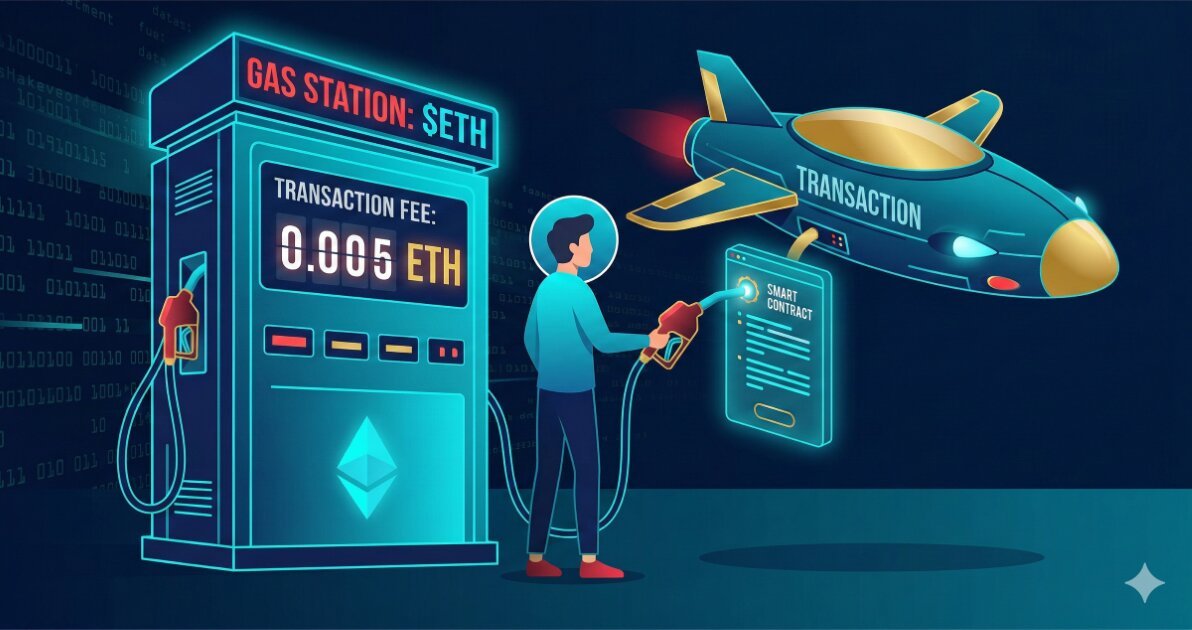
AMM integration is simpler on the matching side but introduces smart contract risk, impermanent loss mechanics for liquidity providers, and gas cost considerations. Most new centralized platforms start with order books for major pairs and integrate third party AMM liquidity for smaller assets.
Custody and Wallet Infrastructure
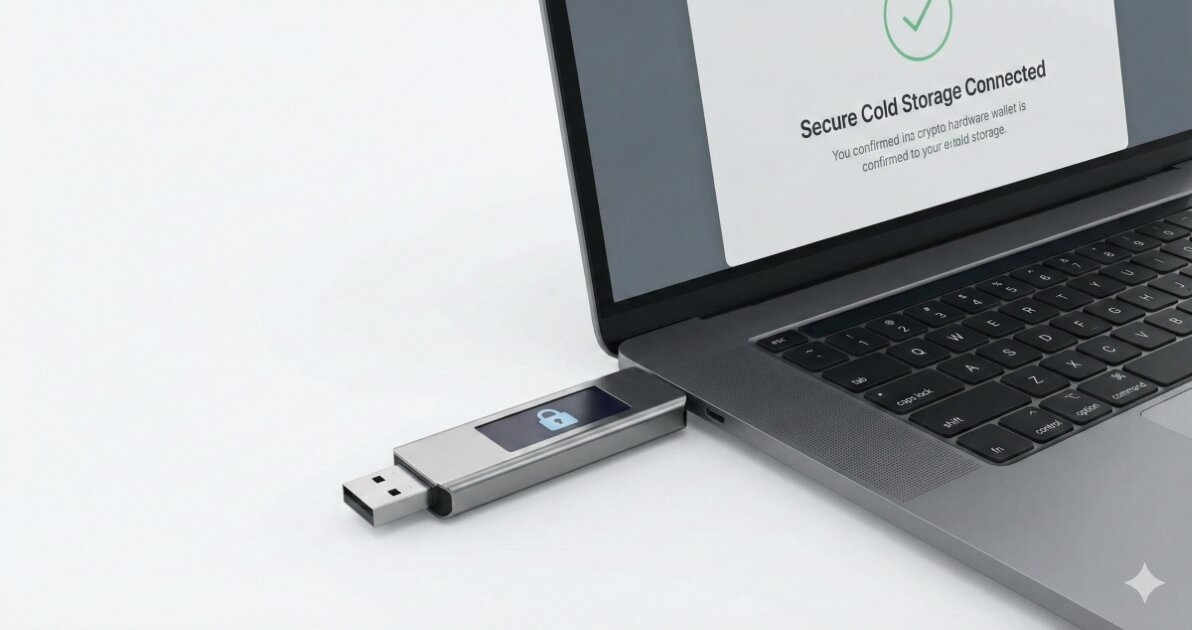
Custody determines counterparty risk and regulatory classification. You need three wallet tiers: hot wallets for immediate withdrawals, warm wallets for operational reserves, and cold storage for the majority of user funds. Industry practice is 2 to 5 percent in hot wallets, 10 to 20 percent in warm wallets, and 75 to 90 percent in cold storage, though these ratios vary by withdrawal velocity and insurance requirements.
Hot wallets sit on servers with private keys in memory or hardware security modules (HSMs). Withdrawals under a threshold (often $10,000 to $50,000) process automatically. Warm wallets use multisig schemes with keys distributed across secure enclaves, requiring M of N signatures for transactions. Cold storage keeps keys offline entirely, often in bank vaults or geographically distributed secure facilities.
The withdrawal flow typically works like this: user requests withdrawal, system checks balance and AML flags, deducts balance from internal ledger, queues transaction in hot wallet if below threshold or warm wallet if above, broadcasts signed transaction to blockchain, monitors confirmations, updates user status. High net worth withdrawals may require manual approval and cold wallet access.
You must also decide whether to use omnibus wallets (one address per blockchain holding all user funds with internal ledger tracking) or dedicated wallets (unique addresses per user). Omnibus reduces blockchain fees and simplifies cold storage but complicates accounting and increases internal ledger risk. Dedicated wallets improve transparency and reduce commingling risk but multiply operational overhead.
Regulatory Structure and Licensing
Jurisdictional choice determines which licenses you need, what KYC and AML controls you implement, and which assets you can list. As of this writing, the United States requires either state money transmitter licenses (covering 48+ jurisdictions) or a federal banking charter. The EU uses MiFID II and national frameworks like Germany’s BaFin crypto custody license. Singapore offers the Payment Services Act license. Each jurisdiction has different capital requirements, audit obligations, and reporting cadences.
US exchanges typically register with FinCEN as money services businesses, obtain state licenses, and implement Bank Secrecy Act compliance programs. This includes transaction monitoring (flagging patterns like structuring, rapid movement, mixing services), suspicious activity reporting (SARs filed with thresholds around $2,000 to $5,000 depending on risk factors), and currency transaction reporting (CTRs for fiat movements over $10,000). Many also pursue BitLicense in New York if serving that market.
Asset listing creates additional obligations. Securities designation triggers SEC registration unless you use an exemption or exclude US persons. Commodity futures fall under CFTC oversight. Stablecoins may require state banking or money transmitter authority depending on reserve backing. Verify classification for each asset with legal counsel before listing.
Capital requirements range from $50,000 for basic money transmitter licenses to several million for custody or banking charters. You also need errors and omissions insurance, crime insurance (covering theft and employee fraud), and often cyber liability coverage. Some jurisdictions mandate segregated reserve funds matching user deposits.
Liquidity and Market Making
New exchanges face a bootstrap problem: traders want liquidity, but liquidity comes from traders. Most solve this through market making arrangements. You can run proprietary market making (using exchange capital to provide bid ask spreads), contract external market makers (paying fees or rebates for order flow), or integrate liquidity from other venues via API.
Proprietary market making requires risk management infrastructure to limit exposure per asset and across the book. External market makers typically receive fee rebates (negative taker fees, often 0.01 to 0.05 percent) in exchange for maintaining spreads within a threshold (say, 0.1 percent for major pairs) and minimum depth (such as $50,000 per side). Contracts specify uptime requirements and penalties for quote stuffing or layering.
API liquidity aggregation pulls order books from multiple exchanges, routes incoming orders to the best available price, and displays combined depth to users. This requires real time order book synchronization, latency under 50 milliseconds for competitive routing, and logic to handle partial fills across venues. You pay trading fees on the external venues but provide immediate depth.
Example: Withdrawal Request Flow
A user requests withdrawal of 0.5 BTC to an external address. The system checks internal balance (confirms 0.5 BTC available and not locked in open orders), runs AML screening (flags if address matches OFAC sanctions lists or known mixers), and calculates network fee (checks current mempool, targets confirmation within 30 minutes, estimates 0.0001 BTC fee). Total deduction: 0.5001 BTC.
Request falls below the $50,000 hot wallet threshold. System deducts 0.5001 BTC from user’s ledger balance, adds transaction to hot wallet queue, and returns pending status to user. Hot wallet service picks up request, constructs transaction with appropriate fee, signs with HSM stored key, broadcasts to Bitcoin network, and stores transaction ID.
Confirmation monitoring watches for six confirmations (approximately 60 minutes). After sixth confirmation, system updates withdrawal status to complete and emails user. If transaction remains unconfirmed after 120 minutes, system flags for manual review.
Common Mistakes
- Underestimating KYC and AML engineering effort. Transaction monitoring systems require dedicated infrastructure, not just vendor APIs. Budget 15 to 25 percent of total engineering capacity for compliance tooling.
- Running hot wallets with single key control. Even small hot wallets need multisig or HSM protection. Single key compromise drains the wallet in seconds.
- Inadequate order book depth for listed pairs. Launching with market orders enabled but insufficient liquidity creates poor execution and user complaints. Gate market orders until minimum depth thresholds are met (such as $10,000 per side within 0.5 percent of mid).
- Ignoring blockchain reorganization handling. Deposits and withdrawals need reorg detection. A six block reorg can reverse confirmed deposits; your ledger must detect and adjust balances.
- Hardcoding blockchain RPC endpoints without failover. Node downtime stops deposits and withdrawals. Implement redundant nodes across providers (Infura, Alchemy, self hosted) with automatic failover.
- Skipping load testing at 10x expected peak volume. Exchanges face sudden volume spikes during volatility. Your matching engine and database must handle 10x to 20x normal load without degradation.
What to Verify Before Launch
- Current licensing requirements in each target jurisdiction. Regulatory frameworks change; confirm requirements six months before launch and again 30 days before going live.
- Insurance coverage limits and exclusions. Policies often exclude internal fraud or negligence; understand what scenarios leave you uninsured.
- Blockchain node sync status and failover paths. Verify redundant nodes are synced and failover triggers work under load.
- Cold storage access procedures and key recovery paths. Test the full cold wallet transaction flow, including retrieving keys from physical storage, before you need it in production.
- Asset classification for every listed token. Securities designations change as projects evolve. Review legal status quarterly.
- Market maker contract SLAs and penalty clauses. Ensure contracts specify measurable uptime, spread, and depth obligations with clear penalties.
- Transaction monitoring rule tuning and false positive rates. Overly aggressive rules generate thousands of alerts; too lax rules miss suspicious activity. Benchmark false positive rates under 5 percent for workable operational load.
- Withdrawal velocity limits per user tier. Set per hour, per day, and per week limits based on KYC level to contain compromise damage.
- Database backup and restore procedures. Test full database restoration from backup under load. Target recovery time under four hours.
- Incident response playbook for common scenarios: hot wallet compromise, database corruption, API DoS, blockchain reorg, regulatory inquiry. Document steps and responsible parties before you need them.
Next Steps
- Build a minimal order book matching engine prototype handling limit and market orders for a single pair. Benchmark latency and throughput against requirements before committing to architecture.
- Engage legal counsel experienced in crypto exchange licensing in your target jurisdictions. Start licensing applications six to 12 months before intended launch; approval timelines vary widely.
- Design your internal ledger schema and transaction log structure. Plan for immutable append only logs with balance snapshots, supporting audit queries and reconciliation against blockchain state.
Category: Crypto Exchanges