Centralized exchanges remain the primary onramp for most crypto participants, handling the bulk of spot and derivatives volume. Choosing between the leading platforms requires balancing liquidity depth, fee structures, security architecture, regulatory posture, and API reliability. This article dissects the decision framework practitioners use to evaluate tier one exchanges and outlines the technical and operational trade-offs that matter when capital or infrastructure depends on the choice.
Liquidity and Order Book Depth
Order book depth separates tier one exchanges from smaller venues. Deep books mean tighter spreads, less slippage on size, and faster fills. For strategies that execute frequently or move meaningful size, bid-ask spread and depth at multiple levels become cost factors that compound quickly.
Liquidity varies by pair. An exchange dominant in BTC/USDT may offer thin books in altcoin pairs or obscure quote currencies. Check actual depth for the pairs you trade, not headline volume figures. Volume can be wash traded or inflated through zero fee promotions. Depth at 0.1%, 0.5%, and 1.0% from mid matters more than raw volume metrics.
Market makers concentrate liquidity where rebates and infrastructure support justify the capital commitment. Exchanges that offer colocation, low latency APIs, and maker rebates attract more professional liquidity. Retail focused platforms may show high volume but poor depth outside the top few pairs.
Fee Structures and Volume Tiers
Fee schedules at top exchanges use tiered maker-taker models. Maker fees reward passive liquidity provision, taker fees charge liquidity removal. High volume traders negotiate lower rates or earn rebates on maker orders. Understand your likely monthly volume and whether your strategy generates maker or taker flow.
Volume tiers reset monthly. A strategy that scales from 10 million to 100 million in notional may cross multiple fee brackets, changing effective costs mid month. Some exchanges calculate tiers on 30 day rolling windows, others on calendar months. The reset logic affects cost planning for systematic strategies.
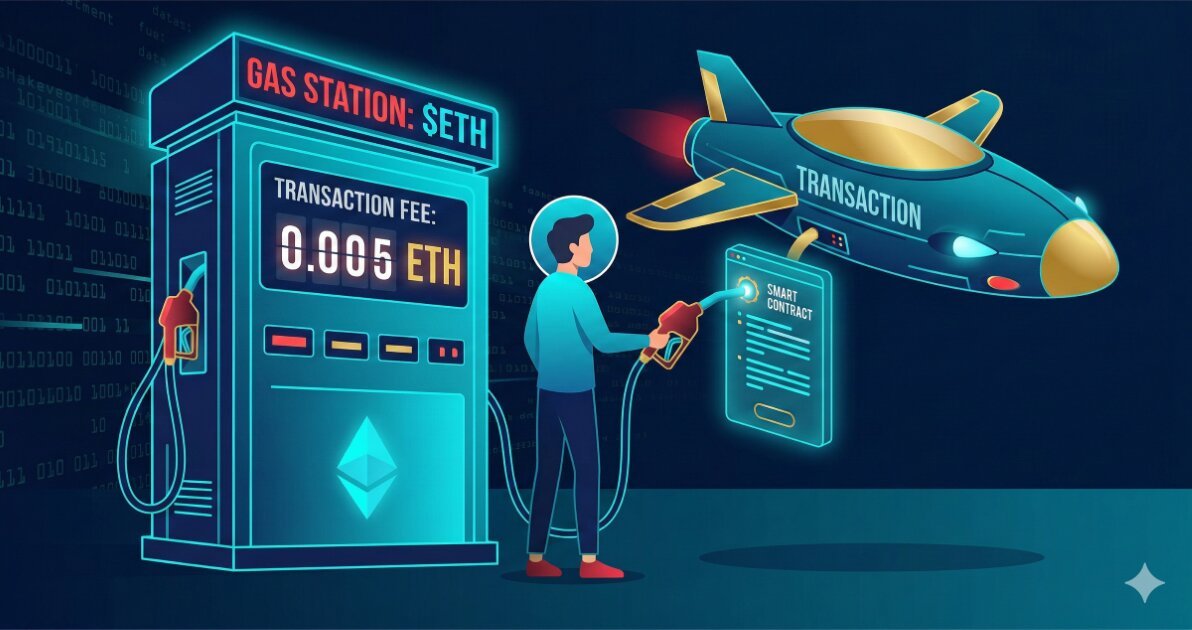
Withdrawal fees vary widely and often exceed network costs by multiples. Exchanges bundle customer withdrawals but charge per user fees that reflect convenience pricing, not actual gas or UTXO costs. For frequent withdrawals, fixed fees become material. Compare both trading and withdrawal cost structures when capital moves regularly between venues or into self custody.
Security Architecture and Custody Model
Tier one exchanges segregate the majority of user funds into cold storage wallets with multisig or hardware security module protections. Hot wallets cover operational liquidity for withdrawals and rebalancing. The ratio of cold to hot storage and the signing procedures for cold wallet access form the core custody security model.
Insurance funds or self insurance reserves back some portion of user balances. Coverage details matter. Some funds cover only hacking losses, others include insolvency scenarios or operational failures. Verify whether coverage applies per user, per asset, or in aggregate, and what claim process applies.
Proof of reserves audits offer periodic snapshots of onchain holdings matched to user liabilities. These audits confirm solvency at a point in time but do not guarantee operational security or prevent future misuse. Look for third party attestations and onchain verification of wallet addresses. Self published merkle trees without external validation carry less weight.
API Reliability and Rate Limits
Systematic strategies depend on API uptime, latency consistency, and predictable rate limits. Exchanges publish rate limit policies per endpoint but enforcement can vary under load. WebSocket feeds for order book and trade streams must stay connected during volatile periods when data matters most.
REST API rate limits typically tier by authentication level and account standing. Public endpoints have lower limits than authenticated calls. Some exchanges offer dedicated API plans with higher limits or dedicated infrastructure for institutional accounts. Know your call patterns and confirm limits accommodate peak usage.
Order placement and cancellation speed affects execution quality. Latency from order submission to acknowledgment varies by exchange infrastructure and geographic distance to matching engines. Colocation options reduce latency to microseconds for strategies where speed justifies the cost.
Regulatory Jurisdiction and Compliance Posture
An exchange’s regulatory home and licensing status determines available products, KYC requirements, and jurisdictional risk. US licensed platforms restrict leverage and exclude many tokens. Offshore exchanges offer broader product sets but carry counterparty and legal risks if your jurisdiction prohibits their use.
Licensing in multiple jurisdictions fragments product offerings. A single exchange brand may operate separate legal entities with different asset lists and features per region. Verify which legal entity you access based on your residency and whether that entity offers the products you need.
Regulatory changes force product shutdowns or user exits with little notice. Exchanges have delisted entire asset categories or cut off users from specific countries following regulatory pressure. Geographic diversification across multiple compliant venues reduces concentration risk if one platform changes terms or exits your jurisdiction.
Worked Example: Comparing Execution Costs Across Venues
A fund manager executes a 500,000 USDT market buy of ETH across three exchanges. Exchange A shows 0.08% taker fee with 200 ETH of depth within 0.2% of mid. Exchange B charges 0.10% taker but offers 400 ETH within 0.2%. Exchange C has 0.06% taker fee but only 100 ETH of nearby depth.
The order size requires roughly 167 ETH. At Exchange A, the order fills within tight spread but pays 400 USDT in fees. Exchange B’s deeper book absorbs the order with less slippage despite higher fees, costing 500 USDT in fees but saving 150 USDT in slippage compared to A. Exchange C’s low fee looks attractive but the shallow book pushes fills 0.4% higher, costing 2,000 USDT in slippage that overwhelms the 200 USDT fee savings versus A.
Total execution cost combines fees and slippage. The lowest headline fee rarely delivers the lowest all in cost for size. Testing execution across venues with actual order sizes reveals true cost structure.
Common Mistakes and Misconfigurations
- Routing all volume to one exchange for fee tier benefits while ignoring concentration risk and missing better execution elsewhere for specific pairs.
- Assuming advertised volume reflects actual liquidity. Check order book depth yourself for the pairs and size you trade.
- Ignoring withdrawal fee structures when frequently moving funds. Fixed withdrawal fees compound quickly on small or frequent transfers.
- Trusting exchange reported insurance or proof of reserves without verifying third party audit details and onchain wallet confirmations.
- Failing to test API behavior under load or during volatile periods before deploying capital to systematic strategies.
- Overlooking regulatory jurisdiction of the legal entity serving you, assuming all regional sites under one brand offer identical protections.
What to Verify Before Committing Capital
- Current fee schedule for your expected volume tier and whether you generate primarily maker or taker flow.
- Actual order book depth for your specific trading pairs at multiple spread levels, not headline volume.
- Cold versus hot wallet ratios and most recent proof of reserves attestation with onchain verification.
- Insurance or reserve fund coverage details, including per user limits and claim procedures.
- API rate limits for your expected call patterns and historical uptime data during high volatility periods.
- Regulatory licenses and legal entity structure for your jurisdiction, confirming product availability.
- Withdrawal fee schedule and processing times for your intended assets and networks.
- Geographic restrictions and whether the platform has history of sudden jurisdictional exits.
- Margin and liquidation mechanics if using leverage, including insurance fund performance during past market stress.
- Supported withdrawal networks and whether the exchange supports direct transfers to Layer 2 or specific chains you use.
Next Steps
- Open accounts on at least two tier one exchanges to compare execution quality and maintain operational redundancy.
- Execute small test trades across venues for your primary pairs, measuring total cost including slippage and fees at your typical order size.
- Set up API access and test order placement, cancellation speed, and WebSocket feed stability under your actual usage patterns before deploying systematic strategies.
Category: Crypto Exchanges