No-KYC exchanges let you trade crypto without identity verification, prioritizing privacy and accessibility over regulatory compliance. This article examines how these platforms structure their services, the technical and legal boundaries they operate within, and the practical trade-offs you accept when using them.
How No-KYC Exchanges Structure Access
Most no-KYC platforms use tiered access models tied to withdrawal limits, not account creation. You can typically deposit and trade immediately, but face daily or monthly withdrawal caps (commonly 2 BTC equivalent or less) without verification. Crossing that threshold triggers a KYC gate.
The technical implementation varies. Some platforms track limits by IP address or device fingerprint, others by wallet address. Pure peer-to-peer DEXs like Bisq impose no identity checks at any tier because they have no central custody. The platform merely coordinates order matching; settlement happens onchain through multisig escrow or atomic swaps.
Centralized platforms without KYC generally fall into three categories: those operating in jurisdictions with minimal AML enforcement, those limiting service to specific geographies where they claim exemptions, and those accepting the legal risk of serving global users without verification. The third group tends to have the shortest operational lifespan.
Liquidity and Pricing Mechanics
No-KYC exchanges typically show wider spreads and shallower order books than tier-one platforms. This stems from three factors: smaller user bases, higher operational risk premiums, and limited access to institutional market makers who require regulated counterparties.
On peer-to-peer platforms, pricing follows a different model. Makers set their own rates, often at premiums of 2% to 8% above spot for popular pairs. The premium compensates for escrow lock time, settlement risk, and payment method friction. Cash trades and irreversible payment methods (crypto, cash deposit) command lower premiums than reversible ones (PayPal, credit cards).
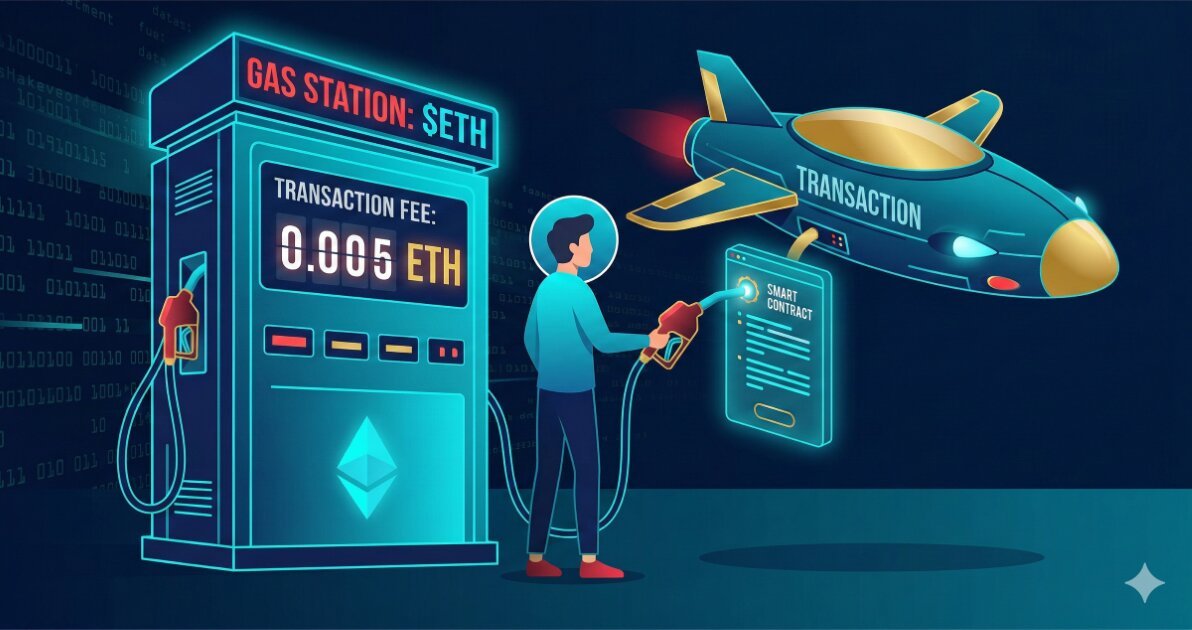
Automated market maker DEXs like Uniswap or PancakeSwap avoid KYC entirely by design but introduce different costs. You pay the spread implicit in the bonding curve formula plus network gas fees. For Ethereum L1 swaps, gas can exceed the value transferred on small trades. L2s and alternative chains reduce this friction but add bridge risk if you need to move assets cross-chain.
Custody and Counterparty Models
The custody model determines your exposure if the platform fails or exits. Centralized no-KYC exchanges hold your funds in their wallets. You trust them not to freeze, seize, or lose your deposits. Because these platforms often operate in gray regulatory zones, traditional legal recourse is limited or nonexistent.
Noncustodial DEXs eliminate this counterparty risk at the protocol level. Your funds remain in your wallet until the instant of settlement. The smart contract acts as a trustless intermediary, executing swaps atomically. You still face smart contract risk (bugs, exploits) and frontend risk (phishing sites, malicious interfaces), but not custodial seizure.
Hybrid models exist. Some platforms offer noncustodial trading (you sign transactions from your wallet) but custodial fiat onramps or offramps. The KYC requirement often appears at the fiat boundary, not the crypto-to-crypto layer.
Regulatory Surface Area
Exchanges without KYC occupy an unstable regulatory position. Most jurisdictions now require virtual asset service providers to implement know-your-customer controls under AML frameworks. Operating without KYC means either claiming an exemption (difficult to sustain as thresholds tighten), operating offshore with geo-blocking (easily circumvented, legally ambiguous), or ignoring the rules outright.
Regulatory enforcement creates practical risks. Platforms can lose banking relationships, face domain seizures, or have founders arrested. Users may lose access to funds during shutdowns or find withdrawal addresses blacklisted by downstream services that enforce sanctions screening.
Decentralized protocols face a different calculus. The code itself has no KYC, but interface operators (the websites you visit to interact with the protocol) increasingly implement geo-blocking or wallet screening to manage their own legal exposure. You can always interact with the contract directly if you have the technical skill, but convenience suffers.
Worked Example: Swapping Without Verification
You hold 1.5 BTC and want to convert half to USDC without KYC.
Option A: Centralized no-KYC platform. You deposit 0.75 BTC, sell at the displayed rate (assume 0.3% maker fee), receive USDC, and withdraw. Total time: 30 to 90 minutes including blockchain confirmations. Risk: counterparty holds your BTC during the process; platform could freeze funds or suffer a hack.
Option B: Onchain DEX (Uniswap via Ethereum L1). You connect your wallet, approve the contract to spend BTC (wrapped as WBTC), execute the swap in a single transaction. The AMM formula determines your rate based on pool reserves; assume 0.2% slippage on this size plus 0.3% protocol fee. Gas cost: variable, potentially $15 to $50 depending on network congestion. Total time: 15 seconds for transaction confirmation. Risk: smart contract exploit, frontend phishing, or bridge risk if you needed to wrap BTC first.
Option C: Peer-to-peer platform (Bisq). You post an offer or take an existing one, lock BTC in multisig escrow, counterparty sends USDC to your address, you confirm receipt and release BTC. Premium: 3% to 5% depending on payment method and urgency. Total time: 20 minutes to several hours depending on payment settlement. Risk: dispute resolution relies on platform arbitration; reversible payment methods increase fraud risk.
Each path avoids KYC but accepts different costs and risks.
Common Mistakes and Misconfigurations
-
Assuming withdrawal limits apply per transaction rather than cumulatively. Most platforms track rolling 24 hour or 30 day totals. Three small withdrawals can trigger KYC just as easily as one large one.
-
Overlooking chainanalysis tagging. Even no-KYC platforms may mark your deposit addresses. Coins withdrawn from these services can trigger alerts at regulated exchanges later.
-
Ignoring frontend versus protocol risk on DEXs. Accessing Uniswap through a malicious clone site bypasses all the security of the underlying contract.
-
Trusting geo-blocking as legal protection. VPN use is trivial. If a platform serves your jurisdiction despite blocks, you still face the legal consequences of using an unregistered service.
-
Confusing noncustodial trading with noncustodial storage. Some platforms let you trade from your wallet but require deposits to an internal address for certain pairs.
-
Failing to verify contract addresses. Scam tokens with similar names to legitimate assets are common on permissionless DEXs.
What to Verify Before You Rely on This
- Current withdrawal limits and whether they reset daily, monthly, or per transaction
- Whether the platform tracks limits by IP, device, email, wallet address, or a combination
- Custody model: does the platform hold your keys or do you retain control until settlement
- Jurisdiction of incorporation and any recent enforcement actions or banking disruptions
- Smart contract audit status and bug bounty history for DEXs
- Whether the platform shares data with chainanalysis vendors or law enforcement
- Onchain reserve transparency: can you verify the platform holds sufficient assets to cover deposits
- Payment method reversibility and dispute handling procedures for P2P trades
- Network fees and current congestion for onchain settlement
- Liquidity depth for your specific trading pair and size
Next Steps
- Test the platform with a small amount first to verify withdrawal processes and timing before committing significant capital.
- Set up chainanalysis monitoring (using tools like OXT or Blockchair) to understand how your transaction history may be tagged by downstream services.
- Evaluate whether holding assets in a noncustodial wallet and using DEX aggregators (1inch, Matcha) gives you better execution than centralized no-KYC platforms for your typical trade sizes.
Category: Crypto Exchanges