Choosing a crypto exchange involves evaluating architecture trade-offs that affect execution quality, counterparty risk, regulatory exposure, and operational overhead. This article provides a decision framework based on measurable platform characteristics, not marketing claims. You’ll learn which dimensions matter for different use cases, how to measure them, and where platforms typically diverge.
Custody Model and Settlement Architecture
The custody model determines where assets sit during and between trades. Centralized exchanges (CEXs) use omnibus custody: you deposit to an exchange controlled address, the platform credits your account in their internal ledger, and trades settle by updating database entries. Withdrawals trigger onchain transfers from the exchange’s hot or cold wallet infrastructure.
Decentralized exchanges (DEXs) keep custody with the user. Automated market maker (AMM) DEXs like Uniswap require you to approve token spending limits, then execute swaps via smart contract calls that move tokens directly from your wallet to a liquidity pool and back in a single atomic transaction. Order book DEXs vary: some use noncustodial smart contract escrow, others rely on layer 2 or sidechain constructions where you deposit to a rollup or validium before trading.
Hybrid models exist. Some platforms let you trade from self custody using signed intents or limit orders that settle onchain only when matched. Others use noncustodial smart contract vaults with timelocks or multisig recovery mechanisms.
The custody model affects your counterparty exposure. On a CEX, you have unsecured creditor status if the exchange fails. On a pure DEX, you face smart contract risk and, for AMMs, impermanent loss as a liquidity provider. Hybrid models add complexity: you need to understand the specific escrow mechanism, whether funds are held in upgradeable contracts, and who controls admin keys.
Liquidity Depth and Market Structure
Liquidity depth tells you how much you can trade before moving the price materially. For CEXs, check the order book depth at 0.1%, 0.5%, and 1% from mid price for your target pairs. A platform might show $10 million in daily volume but only $50,000 within 0.5% of mid, meaning moderate size trades will slip.
For AMM DEXs, liquidity is a function of pool reserves. A constant product AMM (x × y = k) will give you price impact proportional to trade size relative to pool depth. Calculate expected slippage using the bonding curve formula before executing. Pool fragmentation matters: total value locked (TVL) split across 20 pools is less useful than concentrated liquidity in the pairs you actually trade.
Order book DEXs face a cold start problem. Many show thin books because market makers prefer CEXs with higher volume and established APIs. Check whether the platform offers maker rebates or incentives that might attract professional liquidity providers.
Market structure also includes trading pairs. CEXs typically offer direct fiat onramps and a wide range of quote currencies (USDT, USDC, BTC, ETH). DEXs on Ethereum lean heavily on WETH and stablecoin pairs. Crosschain DEXs add bridge liquidity risk: the route from Asset A on Chain 1 to Asset B on Chain 2 might involve multiple hops, each with slippage and bridge fees.
Fee Structures and Total Cost Analysis
Advertised trading fees rarely capture total cost. For CEXs, factor in maker/taker splits, volume tier discounts, withdrawal fees (often fixed per transaction, not percentage based), deposit fees for certain methods (credit cards typically 3% to 4%), and spread markup on market orders.
Calculate an effective fee rate for your expected volume and trade pattern. A platform charging 0.10% maker / 0.15% taker with $500,000 monthly volume might offer tier 2 pricing at 0.08% / 0.12%, while a competitor at 0.15% flat might be cheaper for low volume users but worse at scale.
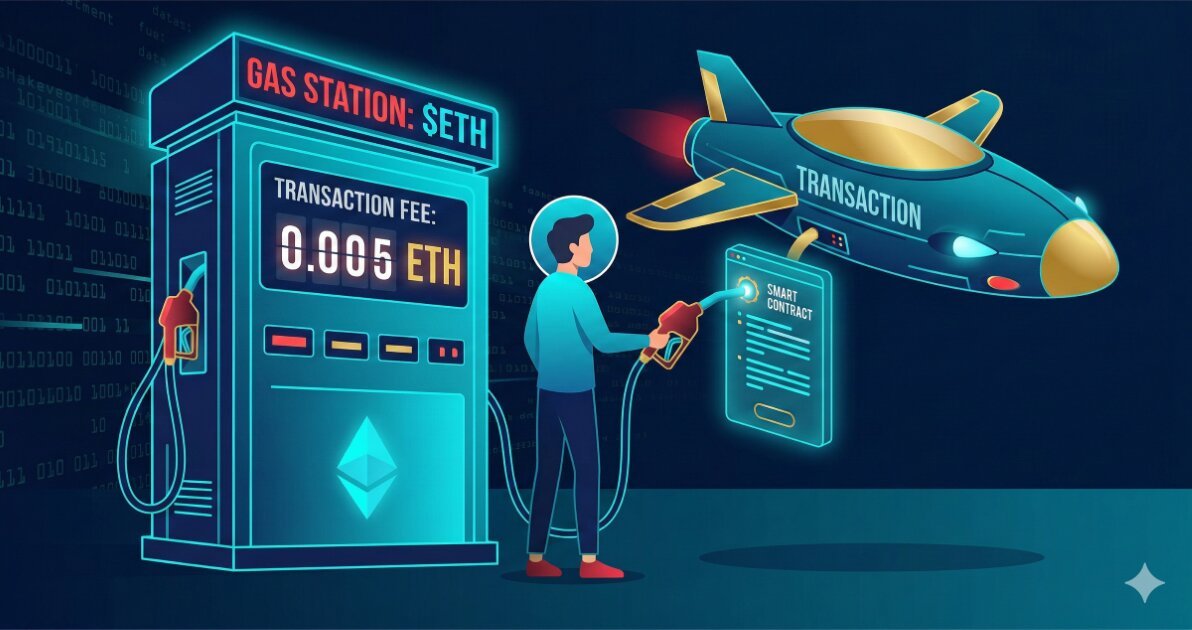
DEX fees include gas costs, protocol fees, and liquidity provider fees. On Ethereum mainnet, gas for a Uniswap swap might cost $5 to $50 depending on network congestion, making small trades economically unviable. Layer 2 rollups reduce gas but add withdrawal latency (optimistic rollups typically enforce a seven day challenge period for exits to mainnet). Protocol fees and LP fees are usually percentages (commonly 0.30% total for standard AMM pools, split between LPs and protocol treasury), but some platforms use dynamic fee tiers based on pool volatility.
For crosschain swaps, add bridge fees. These vary by bridge architecture: some charge flat fees per transaction, others take percentage cuts, and federated bridges might impose minimum transfer amounts.
Regulatory Jurisdiction and User Access
Regulatory jurisdiction affects which assets you can trade, KYC requirements, reporting obligations, and platform stability. CEXs licensed in major jurisdictions (US, EU, UK, Japan, Singapore) face stricter reserve requirements, regular audits, and delisting pressure for tokens deemed securities. These platforms typically require full KYC and may geoblock users from certain countries.
Offshore CEXs offer broader asset selection and lighter KYC but carry higher operational risk. Verify whether the platform publishes proof of reserves and how frequently. Merkle tree based proofs let you verify your balance is included in the attested total, but don’t confirm the exchange holds matching liabilities or reveal off balance sheet obligations.
DEXs generally don’t impose KYC at the protocol level, but frontend interfaces increasingly geoblock users to manage legal exposure. You can bypass this by interacting directly with contracts, but some protocols implement token gating or sanctions list screening at the smart contract layer (USDC’s blacklist function, for example).
Tax reporting varies. Some CEXs provide transaction CSVs or API access suitable for tax software. Others give minimal export functionality. DEXs produce no native reports; you’ll need to reconstruct cost basis from onchain transaction history, which becomes complex when routing through aggregators or using multiple wallets.
Operational Reliability and API Quality
Platform uptime matters during volatile markets. Check historical uptime during major price moves. Some CEXs disable withdrawals, halt trading, or experience API degradation precisely when you need to exit positions. Decentralized platforms can’t halt trading, but they face different failure modes: frontend downtime doesn’t stop contract interaction, but RPC node failures can prevent you from broadcasting transactions.
API quality affects automation and algorithmic trading. Evaluate REST API rate limits, WebSocket feed latency, order type support (limit, market, stop loss, iceberg, time in force variants), and historical data availability. DEXs typically expose read only contract state via RPC; you build orders as transaction payloads and submit via wallet integration or your own signing infrastructure.
Withdrawal processing time varies. CEXs batch withdrawals and may impose manual review thresholds (e.g., automatic processing under $10,000, manual review above). DEXs settle instantly onchain but face network confirmation latency and, for rollups, challenge period delays.
Worked Example: Comparing Total Cost for a $50,000 ETH Purchase
Scenario: You want to buy $50,000 worth of ETH and hold for six months before withdrawing to cold storage.
Platform A (Tier 1 CEX): 0.15% taker fee on market buy = $75. Withdrawal fee for ETH: fixed $5 equivalent. ACH deposit: free. Total cost: $80. Assumes you pass KYC and your jurisdiction is supported.
Platform B (Offshore CEX): 0.20% taker fee = $100. Withdrawal fee: 0.0005 ETH (variable based on network fees, roughly $1 to $3). Wire deposit fee: $25. Total cost: ~$128. Higher asset selection, lighter KYC, but counterparty risk harder to assess.
Platform C (Uniswap v3 on Ethereum mainnet): Pool fee 0.30% = $150. Gas for swap: ~$30 (varies with congestion). No withdrawal fee (already in your wallet). But assumes you already have stablecoins in your wallet; if acquiring via fiat, add onramp fees from another service. Total protocol cost: $180. No KYC, full custody, but exposed to smart contract risk and frontend censorship.
Platform D (Uniswap v3 on Arbitrum): Pool fee 0.30% = $150. Gas for swap: <$1. Bridge from Ethereum to Arbitrum if needed: ~$10 to $20 gas plus ~seven day withdrawal delay returning to mainnet. Total cost: ~$160 to $170 plus time cost of exit delay.
This example shows that CEXs win on explicit fees for larger trades, but DEXs avoid withdrawal fees and custodial risk. The optimal choice depends on your holding period, custody preference, and whether you need fiat rails.
Common Mistakes and Misconfigurations
-
Using market orders on thin books. Always check depth. A $100,000 market buy on a pair with only $50,000 liquidity within 1% will execute at terrible prices. Use limit orders or split into smaller chunks.
-
Ignoring withdrawal fee structures when planning exits. Some platforms charge percentage based withdrawal fees for certain tokens (especially smaller cap assets), turning a profitable trade into a net loss after exit costs.
-
Assuming DEX pricing is always better. During high gas periods, arbitrage bots may not keep DEX prices tight to CEX references because the profit doesn’t cover gas costs. You can end up paying worse effective rates on a DEX than a CEX market order.
-
Not testing withdrawal processes before depositing large amounts. Withdraw a small amount first to verify the platform processes it smoothly and that you control the destination address correctly.
-
Overlooking admin key risks in “decentralized” platforms. Many DEXs use upgradeable proxy contracts with multisig admin keys. Check how many signers are required, who holds keys, and whether there’s a timelock on upgrades.
-
Failing to account for tax reporting complexity on DEXs. If you use aggregators that route through multiple pools or perform token swaps via intermediary pairs, reconstructing cost basis becomes significantly harder than simple CEX CSV exports.
What to Verify Before You Rely on This
- Current fee schedules and volume tier thresholds for your expected trading size
- Proof of reserves publication frequency and methodology (Merkle tree vs third party attestation)
- Withdrawal processing times and any manual review thresholds
- Supported deposit and withdrawal methods for your jurisdiction, including any country specific restrictions
- Asset listing policies and delisting history (particularly relevant for smaller cap tokens)
- Smart contract audit reports, upgrade mechanisms, and admin key holder identities for DEX protocols
- Layer 2 or sidechain bridge security model and historical incident record
- API rate limits, data retention policies, and WebSocket feed specs if you plan to automate
- Current regulatory license status and any ongoing enforcement actions or investigations
- Tax reporting export formats and compatibility with major crypto tax software
Next Steps
- Calculate your effective all in cost across three candidate platforms using your actual expected trade size, frequency, and holding period. Include gas, withdrawal fees, and deposit method costs.
- Test the withdrawal process on each platform with a small amount. Measure how long it takes and whether you encounter friction at manual review thresholds.
- For DEXs you plan to use, simulate your target trade size against current pool liquidity using a swap calculator to get realistic slippage estimates. Factor that into your cost comparison and decide if limit orders via an order book DEX would serve you better.
Category: Crypto Exchanges