Crypto news in 2026 demands a different intake model than the retail hype cycles of 2020 to 2024. With institutional custody normalized, multiple spot ETF families competing, and regulatory frameworks live in several G20 jurisdictions, signal filtering matters more than volume. This article builds a systematic approach to evaluating news quality, tracing onchain confirmation, and distinguishing protocol updates from marketing noise.
News Taxonomy and Reliability Tiers
Crypto news sources now fall into distinct reliability bands. Onchain transaction data and signed protocol governance votes sit at tier one: cryptographically verifiable and timestamped. Official protocol blog posts and GitHub merge commits occupy tier two: authoritative but trust required in execution. Exchange announcements, analyst notes, and aggregator headlines form tier three: directionally useful but prone to lag, selective emphasis, or misinterpretation.
When tracking protocol upgrades, check the governance forum first. A headline announcing a fee change may reference a proposal still in discussion phase, not yet executed onchain. Cross reference the proposal ID against the chain state. For Ethereum or L2 protocol changes, verify the block number when the upgrade transaction executed and inspect the contract diff if material to your position.
Regulatory news requires jurisdiction mapping. A “crypto ban” headline may describe an exchange licensing rule in one country while readers assume global scope. Separate enforcement actions from proposed rules, and proposed rules from enacted statutes. Many 2025 proposals never reached implementation. Track the official government or agency source, not the summary.
Onchain Confirmation Workflows
News about token unlocks, treasury movements, or whale transactions can be verified within minutes. Use a block explorer to confirm the transaction hash, timestamp, and wallet addresses cited in the report. Check if the receiving address is a known exchange deposit address, a multisig treasury, or an unlabeled wallet. The interpretation shifts significantly based on destination.
For governance votes, retrieve the proposal from the protocol snapshot or onchain voting contract. Compare the headline summary to the actual code changes or parameter updates in the proposal text. Governance coverage often simplifies multistep proposals into a single narrative, obscuring phased rollouts or conditional logic.
When an exchange announces a new listing, verify the contract address matches the project official source. Scam tokens with similar names deploy within hours of major announcements. Check Etherscan or the relevant chain explorer for contract creation date, deployer address, and token holder distribution. A legitimate project contract typically predates the announcement by weeks or months.
Protocol Update Impact Analysis
Protocol news falls into several mechanical categories: fee structure changes, consensus parameter updates, bridge or interop launches, tokenomics adjustments, and security patches. Each requires a different verification path.
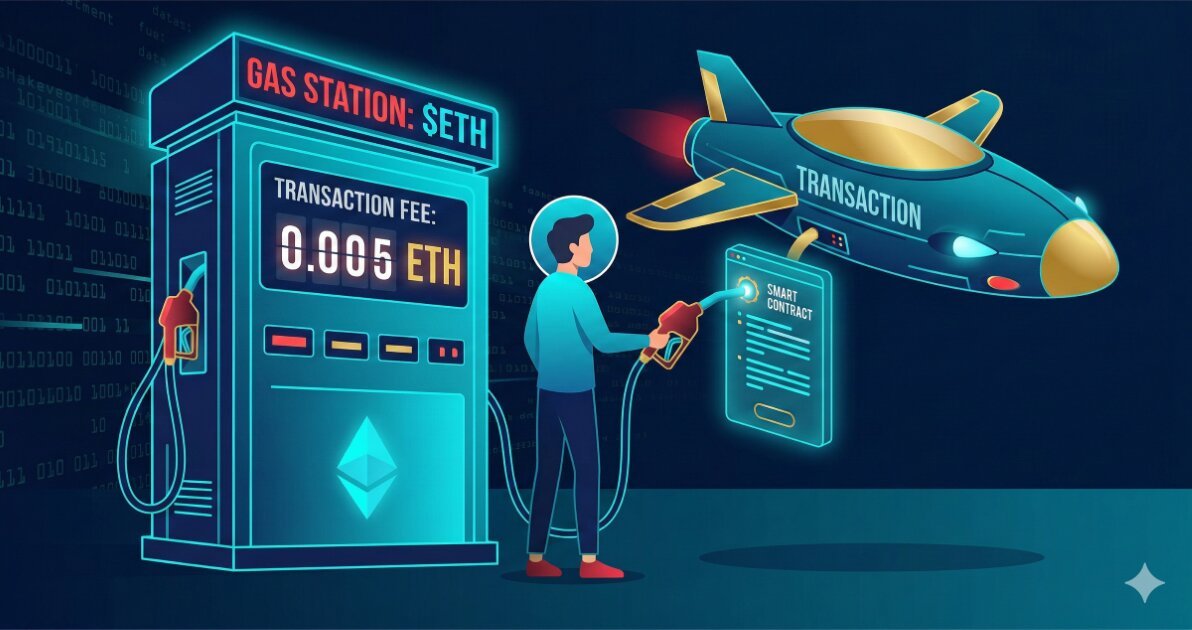
Fee changes affect transaction cost and MEV dynamics. If a rollup announces reduced base fees, check whether L1 data availability costs also dropped or if the fee reduction relies on offchain data alternatives. The headline number may not reflect total user cost if data posting models changed concurrently.
Consensus updates, such as validator set expansions or block time reductions, alter security assumptions and finality guarantees. Review the parameter changes in the upgrade contract or config file. A 12 second to 10 second block time sounds minor but compounds across confirmation depth. Recalculate finality time for your threshold (e.g., 12 confirmations now equals 120 seconds instead of 144).
Bridge launches warrant deeper scrutiny. Examine whether the bridge uses optimistic verification, zero knowledge proofs, or a validator committee. Check if exit periods exist for withdrawals and whether emergency pause mechanisms grant multisig override. A bridge security model determines whether you treat crosschain assets as near native or as wrapped IOUs with counterparty risk.
Market Moving Event Interpretation
Price sensitive news often centers on ETF flows, macroeconomic data releases, or large entity balance sheet changes. ETF flow data appears with a one day lag via official fund disclosures. Same day flow estimates rely on creation/redemption tracking through authorized participants, which may not reflect net investor demand if market makers rebalance.
Macroeconomic news impacts crypto directionally but not mechanically. An interest rate decision does not execute onchain. Track how prior similar events moved BTC/ETH pairs over subsequent sessions. Compare current implied volatility to historical moves after rate announcements to gauge whether options markets already priced the event.
Corporate treasury announcements about BTC purchases require verification of the purchase method and timing. A company may announce intent to buy over several quarters while headlines imply immediate deployment. Review the SEC filing or earnings call transcript for the exact commitment and timeline. Intent to purchase carries different weight than executed spot buys.
News Aggregation and Alert Infrastructure
Automated news feeds introduce latency and filtering risk. Most aggregators pull from a fixed RSS set, missing niche governance forums or developer channels. For protocols you hold or build on, monitor their Discord dev channels, GitHub, and governance forums directly. Material changes surface there hours or days before aggregator pickup.
Set up contract event monitoring for tokens or protocols central to your strategy. An event listener watching a DAO treasury contract emits real time alerts when large transfers occur, faster than waiting for a news summary. Similarly, monitoring a protocol upgrade proxy contract shows pending changes before public announcement.
Use multiple aggregators with different source mixes. Crypto Twitter often surfaces alpha but lacks verification. Combine social signal tracking with onchain confirmation tools. If a rumor trends about an exchange insolvency, check exchange wallet balances via Nansen or similar onchain analytics before reacting.
Worked Example: Evaluating a Protocol Fee Change Announcement
A DeFi protocol announces it will reduce swap fees from 0.3% to 0.25% to remain competitive. The headline appears on aggregators at 14:00 UTC.
First, locate the governance proposal on the protocol snapshot page. Proposal #87 passed two days prior with 78% approval. The proposal text specifies the fee reduction applies only to stablecoin pairs, not all pools. It also introduces a dynamic fee tier that reverts to 0.3% when pool utilization exceeds 80%.
Next, check the GitHub repository for the merged implementation. The code commit merged yesterday references proposal #87 and modifies the fee calculation function in the pool contract. The change is bundled with a separate update to the oracle price staleness threshold, which now rejects prices older than 10 minutes instead of 15.
Finally, verify onchain execution. The protocol timelock contract shows a queued transaction set to execute at block 18,500,000, approximately 30 hours from now. The fee change is not yet live. Positions opened today still pay 0.3%.
The complete picture: fees drop tomorrow for stablecoin pools only, with a conditional revert mechanism. The oracle change may affect price impact calculations during volatility. The headline captured directional intent but missed execution timing, scope limits, and secondary changes.
Common Mistakes and Misconfigurations
- Treating proposal passage as immediate execution. Most governance systems enforce a timelock delay between vote completion and onchain deployment, ranging from 24 hours to several days.
- Ignoring the contract address in token announcements. Verifying only the token name or ticker allows scam contracts to drain wallets.
- Assuming regulatory news applies globally when the jurisdiction is narrow. A ban or framework in one country rarely imposes technical restrictions on decentralized protocols accessible elsewhere.
- Trusting exchange trading volume as demand signal without checking for wash trading patterns. Compare reported volume to onchain settlement volume and order book depth.
- Reacting to unlock schedules without confirming whether unlocked tokens must pass through known vesting contracts or if recipients can immediately transfer.
- Overlooking multisig composition changes in protocol security news. A headline about improved security may coincide with reduced signer diversity or increased threshold denominator.
What to Verify Before You Rely on This
- Confirm the news source has direct access to onchain data or official protocol channels, not just secondary aggregation.
- Check block explorers for transaction finality on any announced onchain event before assuming execution.
- Review governance proposal text and code diffs for protocol updates, not just headline summaries.
- Verify token contract addresses against multiple official sources (project website, CoinGecko, Etherscan verified contract).
- Cross reference regulatory announcements with the original agency press release or official gazette, noting jurisdiction and enforcement timeline.
- Track whether announced features or integrations have testnet deployments and code audits before mainnet launch dates.
- Monitor protocol documentation for updated API endpoints, RPC rate limits, or SDK version requirements after infrastructure news.
- Check if exchange announcements distinguish between futures/perpetuals listing versus spot market availability.
- Validate treasury or whale movement news by inspecting the destination wallet’s transaction history and labeled entities.
- Confirm macroeconomic event schedules and compare current implied volatility to historical post event moves to avoid repricing already embedded in markets.
Next Steps
- Build a tiered monitoring setup: direct protocol channels for core holdings, aggregators for broad market context, onchain alerts for material contract events.
- Create a verification checklist for each news category you act on, mapping headline to the specific onchain or official source you will consult before execution.
- Review a sample of recent high impact news items retroactively to identify which sources published accurate information earliest and which introduced the most lag or error.
Category: Crypto News & Insights