Choosing a wallet architecture determines who controls your private keys, which execution environments you trust, and where your operational security can fail. This article examines the security properties of hardware wallets, multisig schemes, MPC wallets, smart contract wallets, and hierarchical deterministic software wallets. It focuses on the trade-offs practitioners face when balancing self custody, recovery guarantees, and transaction signing workflows.
Hardware Wallet Architecture
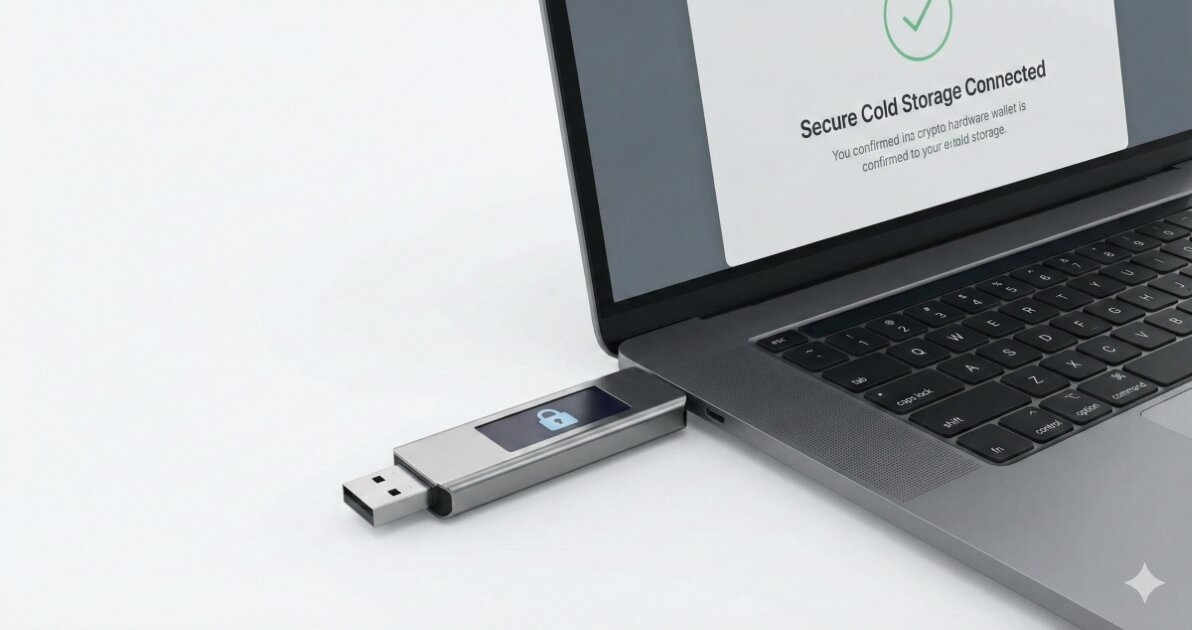
Hardware wallets isolate private key operations inside a dedicated secure element or microcontroller. The device signs transactions without exposing keys to the host machine, even if that machine is compromised.
The secure element typically implements ECDSA or EdDSA signing, stores the seed in tamper resistant memory, and communicates with the host over USB or Bluetooth. The host software constructs unsigned transactions and sends them to the device. The device displays transaction details on its screen, the user confirms via physical button press, and the device returns the signed payload.
Attack surface: firmware supply chain, physical extraction attacks, and side channel analysis. Reputable manufacturers publish reproducible firmware builds and use secure boot chains. Physical attacks require possession of the device and vary in sophistication. Simple disassembly may trigger anti-tamper circuits that erase keys. Advanced fault injection or power analysis attacks can succeed against older secure elements, though modern designs incorporate countermeasures.
The recovery seed remains the single point of failure. If an attacker obtains the 12 or 24 word mnemonic, they control all derived keys. Metal seed storage solves fire and water damage but introduces new custodial questions: where do you store the metal plate, and who else has access?
Multisignature Schemes
Multisig wallets require M of N signatures to authorize a transaction. Bitcoin implements this natively via P2SH or P2WSH scripts. Ethereum and EVM chains require a smart contract to enforce the signature threshold.
A 2-of-3 multisig might distribute keys across a hardware wallet, a mobile device, and a cloud encrypted backup. Losing one key does not forfeit funds. Compromising one key does not enable theft.
The security gain comes from separating key storage environments. If the hardware wallet uses a secure element and the mobile device relies on OS keychain isolation, an attacker must breach both. This is harder than breaching a single software wallet or stealing a single hardware device.
Operational complexity increases with N. Each signer must verify transaction details independently. Coordinating signatures across devices or organizations introduces latency. Some multisig implementations display different transaction data on each device, creating a UI verification problem. Always confirm recipient address, amount, and fee on every signing device.
Onchain multisig has fixed policies. A 2-of-3 threshold cannot change to 3-of-4 without moving funds to a new address. Smart contract wallets mitigate this by allowing policy upgrades, but introduce contract risk.
MPC Wallets
Multi party computation wallets split the private key into shares distributed across separate parties or devices. No single party ever holds the complete key. Signing happens through a cryptographic protocol that combines shares without reconstructing the key in any one location.
Threshold signature schemes like ECDSA TSS or Schnorr generate valid signatures from M of N shares. From an external observer’s perspective, the result is indistinguishable from a single signature, preserving privacy and reducing onchain footprint compared to multisig.
The computational overhead is higher than simple multisig. Each signing round involves multiple communication passes between parties. Network latency and participant availability affect transaction finality. Some implementations require a trusted dealer during key generation, reintroducing a single point of compromise during setup.
MPC wallets excel when you need to separate trust across devices or jurisdictions without onchain coordination overhead. They allow dynamic threshold updates through key resharing protocols. The trade-off is implementation complexity and a smaller audited codebase compared to mature multisig scripts.
Smart Contract Wallets
Smart contract wallets on EVM chains replace externally owned accounts with contract logic. This enables programmable authorization policies, daily spending limits, whitelisted recipients, time locked withdrawals, and social recovery.
A social recovery wallet might allow a threshold of guardians to change the primary signing key if the owner loses access. The guardians cannot directly transfer funds, only initiate a key rotation after a time delay.
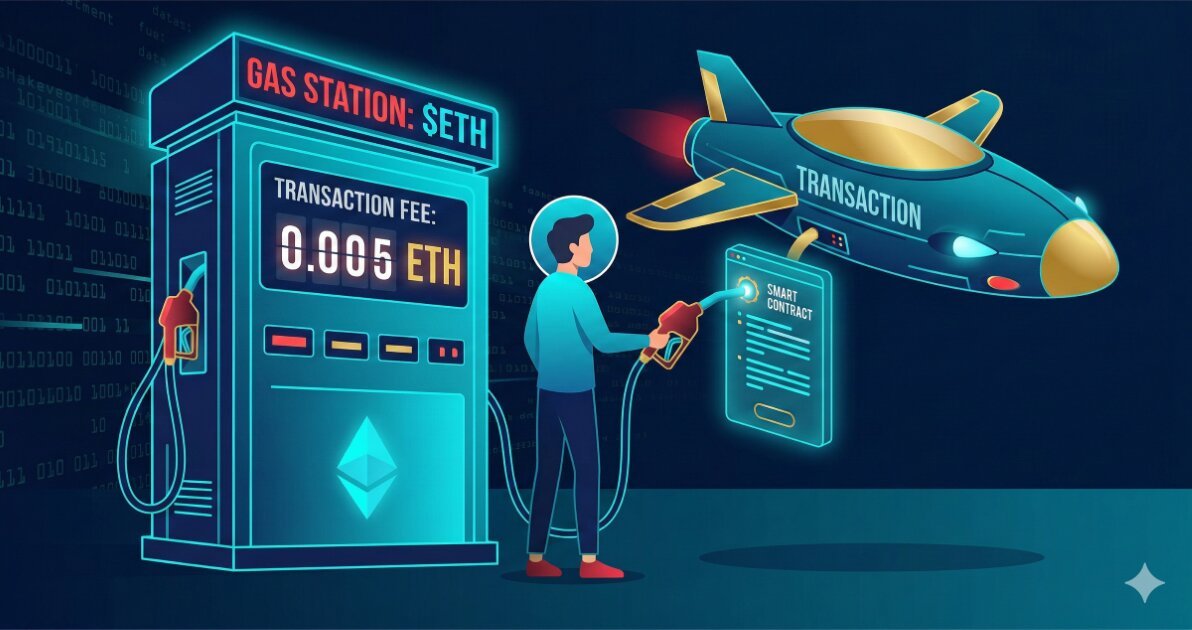
Gas costs are higher because every transaction requires contract execution. The contract itself is an attack surface. Bugs in upgrade logic, reentrancy vulnerabilities, or flawed access control can drain funds. Audit history and immutability guarantees matter. Some wallets use upgradeable proxies to fix bugs or add features. Others deploy immutable contracts and accept that bugs are permanent.
Contract wallets also depend on relayer infrastructure if you want meta transactions. The relayer pays gas while the user signs an off-chain message. This introduces liveness risk. If the relayer service shuts down, you need an alternative method to interact with your contract.
Hierarchical Deterministic Software Wallets
HD wallets derive an unlimited number of key pairs from a single seed using BIP32, BIP39, or SLIP-0010 derivation paths. The seed is a 128 or 256 bit entropy source, usually encoded as a mnemonic phrase.
Software wallets store the seed in the host OS keychain, encrypted with a user password, or protected by biometric authentication. The security depends entirely on the OS isolation model. A keylogger, clipboard monitor, or memory scraper can extract the seed.
Derivation paths follow a standard structure: m / purpose' / coin_type' / account' / change / address_index. The apostrophe denotes hardened derivation, which prevents an attacker who learns a child private key and parent public key from deriving other child keys.
Software wallets are practical for frequent transactions and application integrations. The risk is device compromise. Use them for working balances, not long term storage. Pair them with hardware wallets for signing high value transfers.
Worked Example: 2-of-3 Multisig Withdrawal
You control a 2-of-3 Bitcoin multisig address. Keys are distributed as follows: hardware wallet A, hardware wallet B stored offsite, and a software wallet encrypted on your laptop.
To withdraw 0.5 BTC:
- Construct the unsigned transaction on your laptop using wallet software that supports PSBT (Partially Signed Bitcoin Transactions).
- Connect hardware wallet A. The software sends the PSBT to the device. The device parses inputs, outputs, and fee. You verify the recipient address on the hardware screen and approve. The device returns a partial signature.
- The software now holds a PSBT with one signature. You transfer it to the location of hardware wallet B via USB drive or encrypted file transfer.
- Connect hardware wallet B. Repeat verification and signing. The device adds a second signature.
- The software detects two valid signatures, finalizes the transaction, and broadcasts it to the network.
If hardware wallet A is destroyed, you retrieve hardware wallet B and use the software wallet to meet the 2-of-3 threshold. If the laptop is compromised but the attacker only gets the software wallet key, they cannot move funds without obtaining a hardware device.
Common Mistakes and Misconfigurations
- Storing recovery seeds digitally in cloud notes, password managers, or phone photos. Screenshots can sync to cloud backups and persist in deleted file recovery tools.
- Using a single hardware wallet for all funds without a tested recovery procedure. Firmware corruption or hardware failure becomes a total loss event if you have not verified seed restoration on a secondary device.
- Failing to verify receive addresses on the hardware wallet screen during deposits. Malware can replace clipboard addresses, but the hardware wallet will display the true destination.
- Reusing receive addresses across multiple deposits. This degrades privacy and makes UTXO management harder, though it does not directly compromise security.
- Neglecting to test multisig recovery before committing significant funds. Coordinate a small test withdrawal using only the backup keys to confirm you can reconstruct the signing process.
- Upgrading smart contract wallet logic without reviewing the new code or diff. Trust in upgradeability also means trust in future upgrades. Some wallets mitigate this with time locked upgrades and guardian approval.
What to Verify Before You Rely on This
- Hardware wallet firmware version and whether reproducible builds match the manufacturer signature. Check the device manufacturer’s site and independent security audits.
- Derivation paths and address formats match across recovery devices. Mixing BIP44, BIP49, and BIP84 paths can make funds appear missing even though they exist onchain.
- Multisig quorum and participant public keys. Export and verify the wallet descriptor or redeem script before funding.
- Smart contract wallet source code, audit reports, and upgrade permissions. Check whether the contract is immutable or controlled by a multisig or time lock.
- MPC wallet key generation ceremony participants and whether a trusted dealer was used. Determine if the protocol allows key resharing without full reconstruction.
- Software wallet encryption method and whether seed material is stored in OS secure enclave or generic filesystem. Review application permissions and background services.
- Compatibility of recovery procedures across wallet software versions. A future version may deprecate legacy address types or change UI flows.
- Network fee estimation methods in your wallet software. Underpaying fees can delay transactions. Overpaying wastes capital in high fee environments.
- Whether your wallet supports replace-by-fee or child-pays-for-parent for stuck transactions. Confirming availability before you need it avoids stress.
Next Steps
- Generate a test wallet with small value funds and practice the complete signing and recovery workflow for your chosen architecture. Include device failure scenarios and multi device coordination.
- Document your multisig quorum, derivation paths, and key locations in a format that a trusted contact could execute if you become unavailable. Store this separately from seed material.
- Audit your current wallet security model against the threat scenarios relevant to your holdings: device theft, targeted phishing, physical coercion, or service provider failure. Choose architecture based on your actual risk profile, not generic best practices.
Category: Crypto Security